Essential Gear for Seasonal Mountain Hiking: Master Every Season on the Trail
Spring Readiness: Mud, Melt, and Unpredictable Skies
01
Choose mid- or high-cut waterproof boots with aggressive lugs, then add knee-length gaiters to seal out slush and grit. After my first snowmelt slog, a taped-seam gaiter saved my socks and morale. Keep a small brush to clear mud from treads before it hardens.
02
Pair a wicking wool base with a breathable softshell, and stash a compact waterproof shell for sudden squalls. A light fleece or active-insulation midlayer stops chills during snack breaks. Tell us which midlayer breathes best for you when a calm morning turns into a windy ridge.
03
Early spring mornings can glaze over. Carry microspikes for shaded ice and rely on deep, self-cleaning lugs as trails soften. I’ve tiptoed past icy switchbacks where spikes made the difference between caution and confidence. Share your go-to traction combo for shoulder-season scrambles.
Summer Confidence: Heat, Storms, and Long Days
Breathable fabrics, sun protection, and cooling accessories
UPF shirts, a brimmed hat, and ultralight gloves shield skin without heavy sunscreen layers. Mesh-vented shoes and moisture-wicking socks reduce hotspots. A cooling neck gaiter feels luxurious when the trail turns into a furnace. Which sun hoodie has saved your shoulders on long ridgelines?
Autumn Precision: Cold Mornings and Leaf-Covered Trails
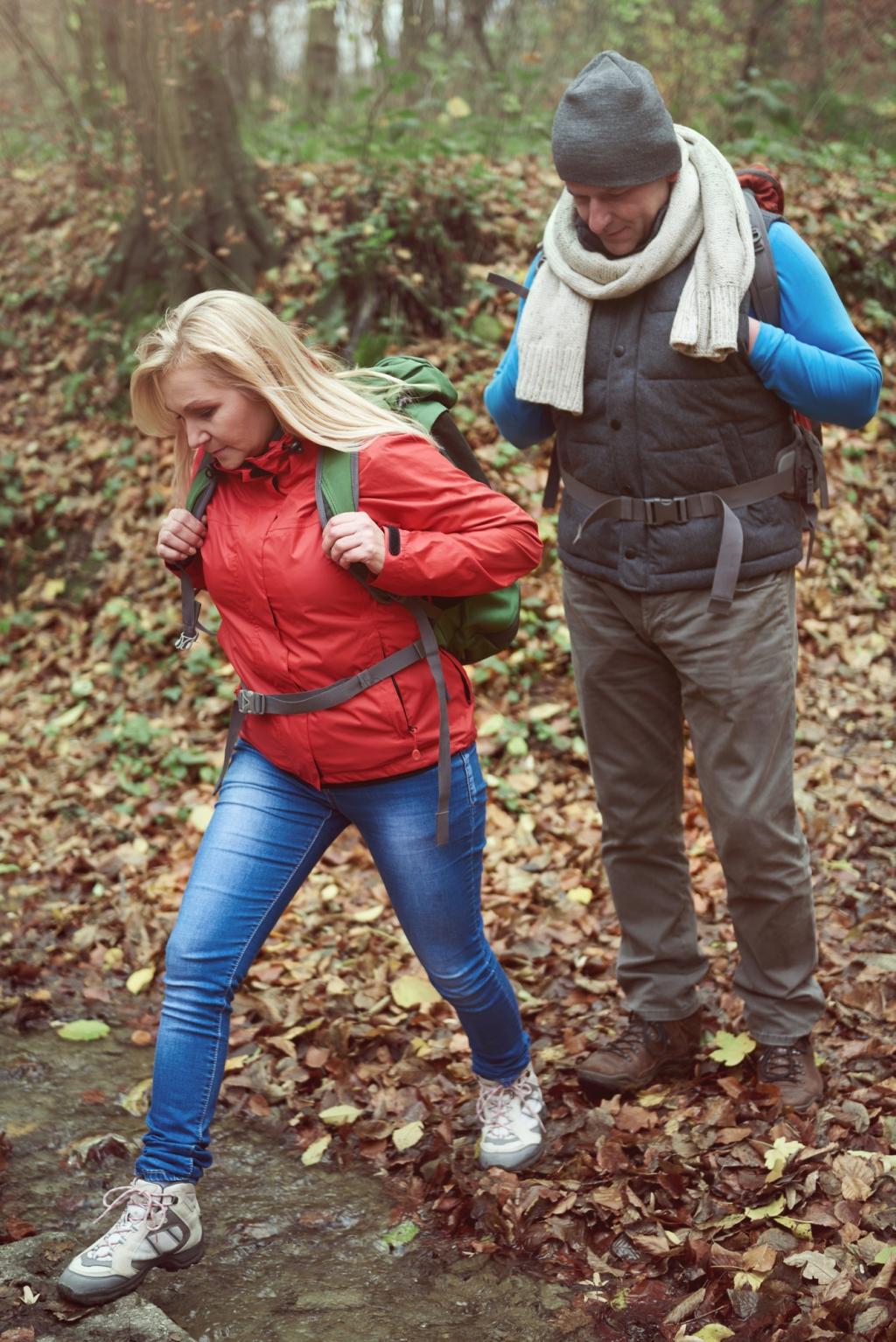
Combine a thin merino base with an active-insulation midlayer that breathes on climbs and warms during pauses. A windproof vest can stabilize your core without overheating. On a frosty dawn start, that vest spared me from constant jacket changes. What midlayer keeps your stops cozy without feeling bulky?
Insulated waterproof boots pair with microspikes for packed trails, crampons for steeps, and snowshoes for deep powder. On a January traverse, microspikes felt useless until crampons bit into blue ice. Store traction warm in your pack’s inner pocket to prevent brittle straps in severe cold.
First aid and repair: small kits, big outcomes
Include blister care, pain relief, bandages, and a compact trauma pad. Add tenacious tape, a few zip ties, and a multi-tool. A simple tape strip once rescued a delaminating sole mid-hike. What tiny repair item has saved an outing for you at the perfect moment?
Redundant navigation to outsmart dead batteries
Pair an offline GPS app with a paper map and a real compass you’ve practiced with. Mark turnpoints before leaving. After a phone died in sleet, my map kept us calm and efficient. Which offline mapping tool earns a permanent spot on your seasonal hiking checklist?
Emergency shelter, warmth, and signaling
Carry an emergency bivy, storm matches, and a compact whistle. In shoulder seasons, add a lightweight foam sit pad to insulate breaks. Once, a reflective bivy kept a partner warm during a long trail delay. What compact shelter do you trust when plans change without warning?
Capacity and suspension for shifting seasonal loads
A 20–30 liter pack suits fast summer days, while winter insulation and safety tools may need 35–45 liters. Prioritize a supportive hip belt for heavy traction devices. I once upgraded a suspension and immediately felt fresher at mile ten. What is your sweet spot for volume?
Weatherproofing and organization that actually holds up
Use a pack liner plus dry bags for critical layers and sleep-grade warmth pieces. Exterior mesh pockets stash wet gear. After one stormy ascent, a simple trash-compactor liner saved my puffy. Share your favorite organization hacks that keep gloves, maps, and batteries dry and accessible.