
Preparing for Weather Changes on Mountain Hikes

Reading Mountain Weather Before It Reads You

Cloud clues you can trust

Cumulus towers growing dark and anvil-shaped often signal afternoon storms, especially in summer. Lenticular clouds mean strong winds aloft, and a cap cloud hugging a peak suggests moist, unstable flow. Snap a photo, note timing, and tell us what cloud cues you rely on.

Moisture-slaying base layers

Choose wool or high-quality synthetics that pull sweat off skin and still insulate when damp. Avoid cotton, the mountain heartbreaker. Bring a dry backup top in a waterproof bag. What base layers do you trust in shoulder-season squalls? Share your picks and why.

Insulation you can deploy in seconds

Carry active insulation for moving in cool wind and a compressible puffy for rests. Keep them near the top of your pack to minimize heat loss during quick stops. Practice fast transitions. Tag us with your best system for break-time warmth without overheating later.

Shells and small accessories that seal the system

A breathable, truly waterproof shell with pit zips keeps you dry without stewing. Add a brimmed cap under your hood, light gloves, and a buff to trap heat. Tiny items, huge comfort. Tell us your must-have accessories for when the sky flips the switch.

Weather-Ready Gear That Earns Its Weight

Emergency shelter and pack protection

An ultralight tarp, bivy, or group bothy creates instant refuge from sleet or stinging graupel. Use a waterproof pack liner and a simple rain cover to safeguard layers. What’s your storm shelter strategy for short and long day hikes? Share your setup and lessons learned.

Navigation you can trust in fog

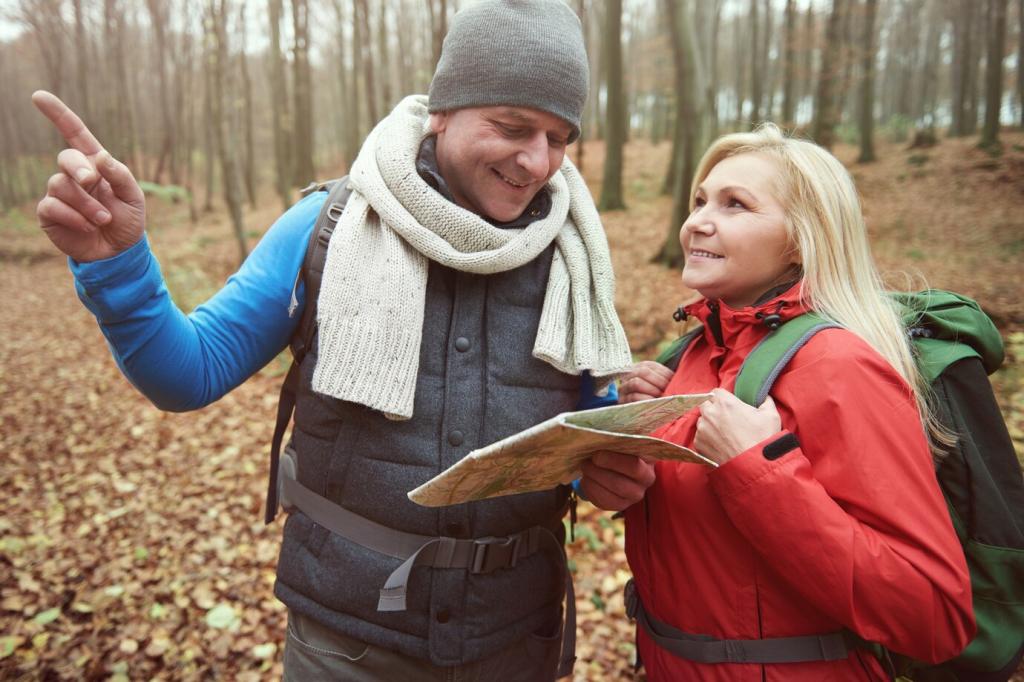
Carry map, compass, and an altimeter, plus offline maps on your phone or GPS with spare power. Mark critical junctions before clouds roll in. Reflective tape on poles or a pack can help partners locate you. What fog-navigation habit has saved you most often?

Redundancy for warmth and dryness

Pack an extra pair of gloves, a dry hat, and warm socks sealed in a zip bag. Add repair tape and a contractor bag for emergency vapor barrier. Small redundancies buy huge safety margins. What backup item surprised you by becoming a trip hero? Tell us below.

Timing and Route Choices with Weather Windows

Afternoon convection often sparks mountain thunderstorms in summer. Beat the clock with a pre-dawn start and a firm turnaround time. Track pace versus plan, not vibes. Do you set a weather-based turnaround rule? Share the one you use and why it works.

Food, Water, and Heat When Weather Flips

Insulate bottles, store them upside down to reduce freezing at the lid, and carry a thermos with tea or broth. In heat, add electrolytes early, not after cramps begin. What’s your winter-friendly hydration trick? Share and help others keep sipping when temps dive.

Food, Water, and Heat When Weather Flips

Use easy-open bags, high-calorie bite-sized snacks, and chest pockets for quick access. Practice opening wrappers with gloves on. Plan micro-feeds every thirty minutes. Which cold-proof snacks never fail you in sleet or graupel? Drop your tastiest, glove-friendly ideas.
Agree on hand signals, time-based check-ins, and lightning procedures before leaving the trailhead. Assign roles for navigation and weather watching. Share your plan with a trusted contact. What pre-hike briefing item has helped your team most? Add it to our collective checklist.

Communication and Decisions Under Pressure

Menarivexolanoronex
Privacy Overview

This website uses cookies so that we can provide you with the best user experience possible. Cookie information is stored in your browser and performs functions such as recognising you when you return to our website and helping our team to understand which sections of the website you find most interesting and useful.