
Seasonal Hazards and Safety Precautions in Mountain Hiking
Reading the Mountain’s Seasonal Rhythm
Weather windows and mountain microclimates
A sunny trailhead can mask a ridge whipped by katabatic winds and building convection by noon. Learn to read timing, aspect, and wind forecasts together. Tell us your go-to forecast tools in the comments, and follow for weekly weather breakdowns before peak weekends.
Snowpack, meltwater, and trail conditions
Spring snow bridges collapse by afternoon, while shaded gullies preserve late ice long into summer. Meltwater saturates soils, turning easy paths into ankle-twisting ruts. Share your latest trail condition report below, and subscribe to our seasonal trail alerts to stay a step ahead.
Daylight, temperature swings, and human factors
Long daylight tempts late starts, but shoulder seasons punish with sudden chills and early dusk. Set turnaround times, pace realistically, and leave summit fever behind. Post your own turnaround rule of thumb, and join our newsletter to receive printable planning templates.
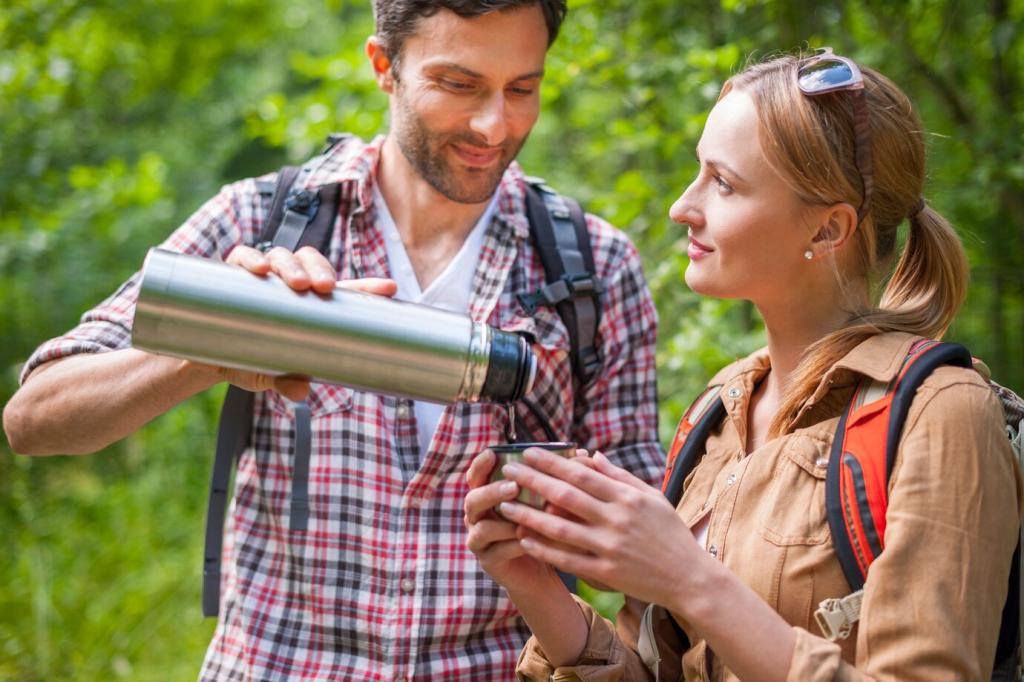
Lingering slabs and wet loose avalanches
Late storms can hide wind slabs beneath a warming crust, while wet loose slides fan out on sunlit slopes by midday. Start early, choose conservative angles, and carry proper rescue gear. Tell us how you assess slope aspect in spring, and follow for weekly avalanche summaries.
Creek crossings and cold shock
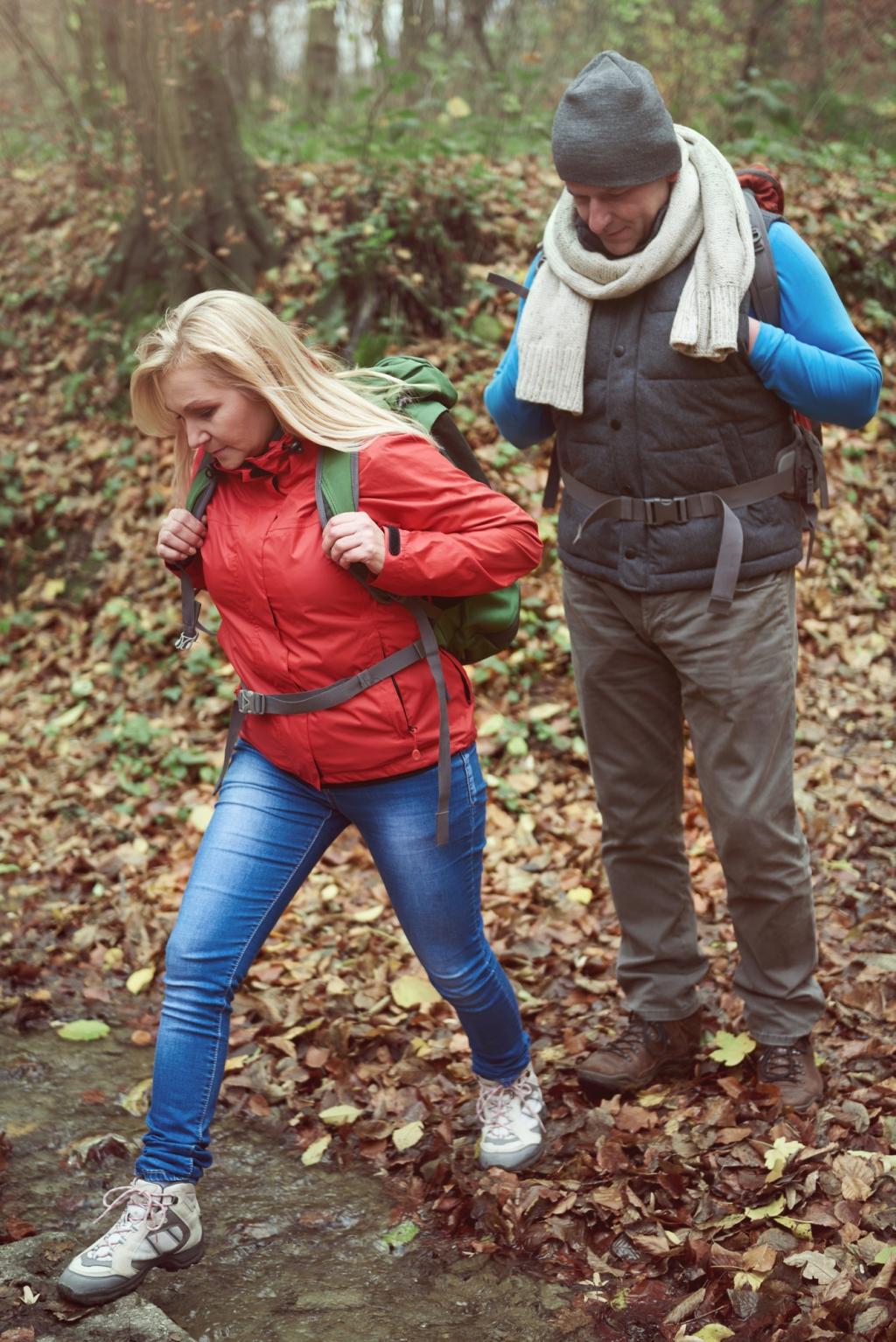
Snowmelt turns benign trickles into thigh-deep torrents by afternoon. Unbuckle your hip belt, cross at wide braided sections, and avoid logs slick with moss. Share your best crossing technique below, and subscribe for our video series on wading strategies and emergency rewarming.
Ticks, mud, and trail etiquette
Ticks wake early; do thorough checks and treat clothing. Mud season demands restraint: stay on the trail rather than widening it with detours. Comment with your preferred repellents, and join our mailing list for region-specific tick maps and seasonal closure updates.
Summer: Heat, Thunderstorms, and High-Altitude Risks
Sweat rates soar on exposed ridges. Balance water intake with electrolytes to prevent hyponatremia, and pre-hydrate before steep ascents. Comment with your favorite hot-weather drink mix, and follow us for packing lists that scale fluid needs to mileage, altitude, and forecast temperatures.
Summer: Heat, Thunderstorms, and High-Altitude Risks
Cumulus clouds can become thunderstorms in under an hour. Be off high points by noon, spread your group during strikes, and avoid lone trees. Share your thunder distance rule, and subscribe to receive storm sign infographics for quick decisions when skies start to boil.
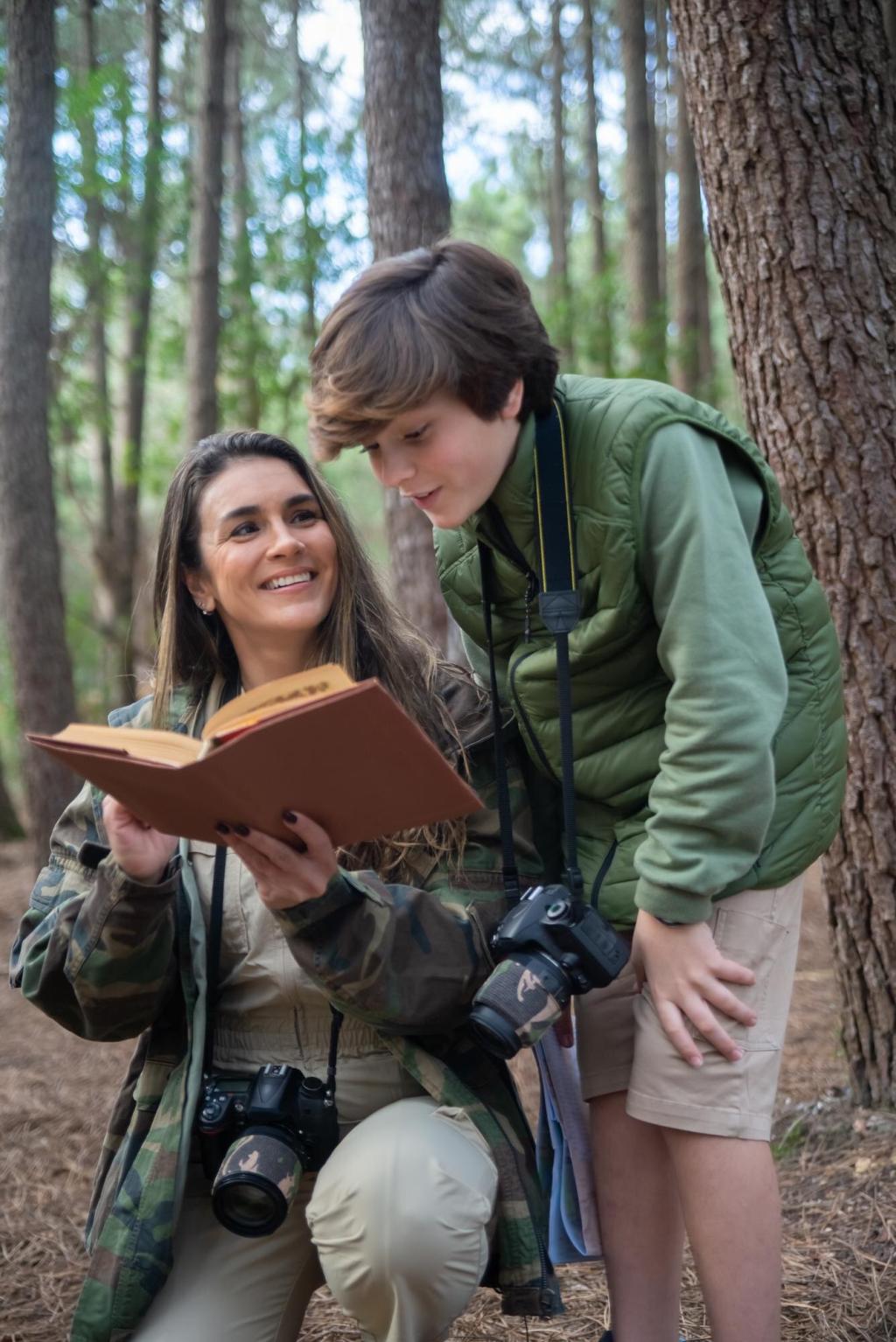
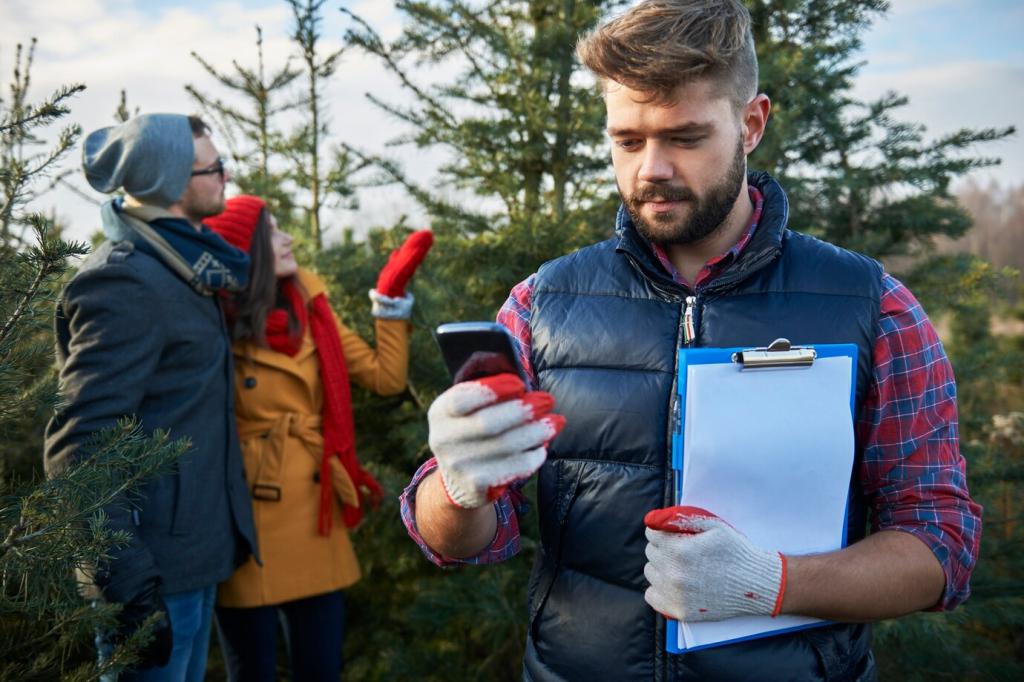
Autumn: Short Days, Hidden Ice, and Unpredictable Fronts
Wet leaves act like ball bearings on steep grades, while thin veneer ice forms in shaded switchbacks. Carry microspikes early, not just in winter. Comment with your earliest ice sighting date, and follow for weekly shoulder-season traction recommendations tailored to elevation bands.
Autumn: Short Days, Hidden Ice, and Unpredictable Fronts
Golden afternoons crash into freezing evenings. Pack an insulated layer, a real shell, and a headlamp even on short hikes. Share your coldest unexpected bivy lesson, and subscribe to get our modular packing checklist that adapts to shifting forecasts and daylight loss.
Autumn: Short Days, Hidden Ice, and Unpredictable Fronts
Many ranges host fall hunts. Wear blaze colors, keep dogs leashed, and know active units and dates. Tell us your visibility strategies, and join our alerts for region-specific season calendars so your route and clothing choices stay safe and considerate.
Winter: Cold Management, Navigation, and Avalanche Basics
Layering systems and frostbite prevention
Use wicking base layers, active insulation, and a true storm shell. Keep extremities warm with vapor barrier liners on brutal days. Post your glove rotation for subfreezing temps, and follow us for actionable checklists that reduce sweat, preserve heat, and prevent frostbite.
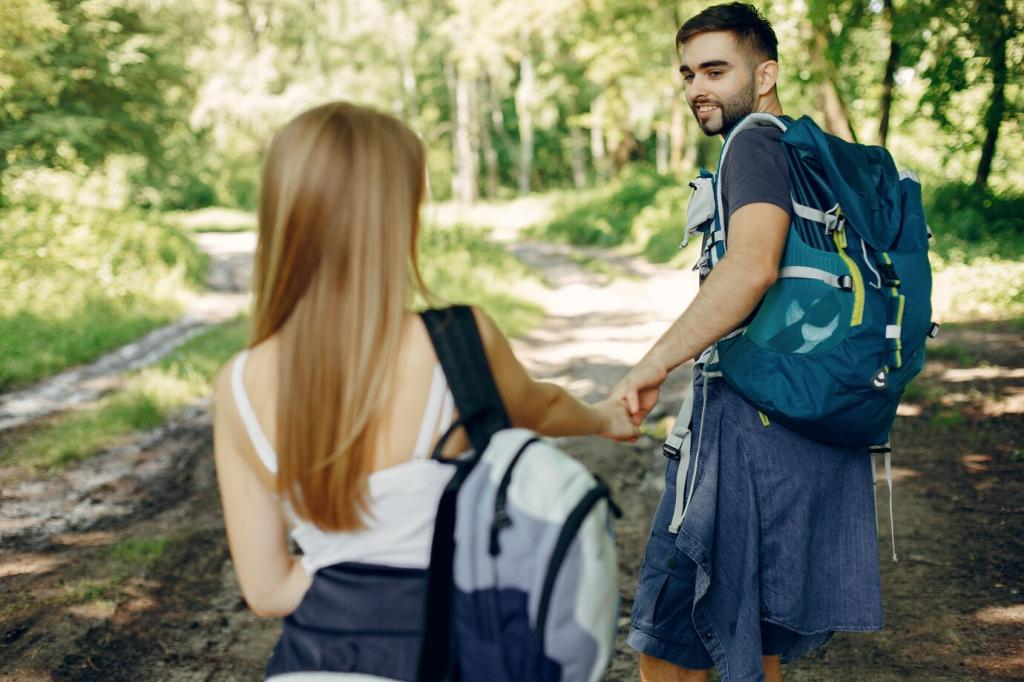
Navigation on a white canvas
Trails vanish beneath snowfall, and cornices lure walkers onto voids. Pair map, compass, and GPS, and confirm terrain traps before committing. Share your whiteout navigation story, and subscribe for downloadable waypoints and field drills that sharpen your breadcrumb discipline in winter.
Proactive Safety: Planning, Gear, and Communication
Leave a route plan and time box with a trusted contact. Brief from multiple forecasts, not a single icon. Decide turnaround thresholds before you go. Tell us your favorite planning app, and follow us for a concise pre-departure checklist you can use every season.

Join our mailing list