

Navigating Mountain Trails in Fall

Reading the Autumn Trail

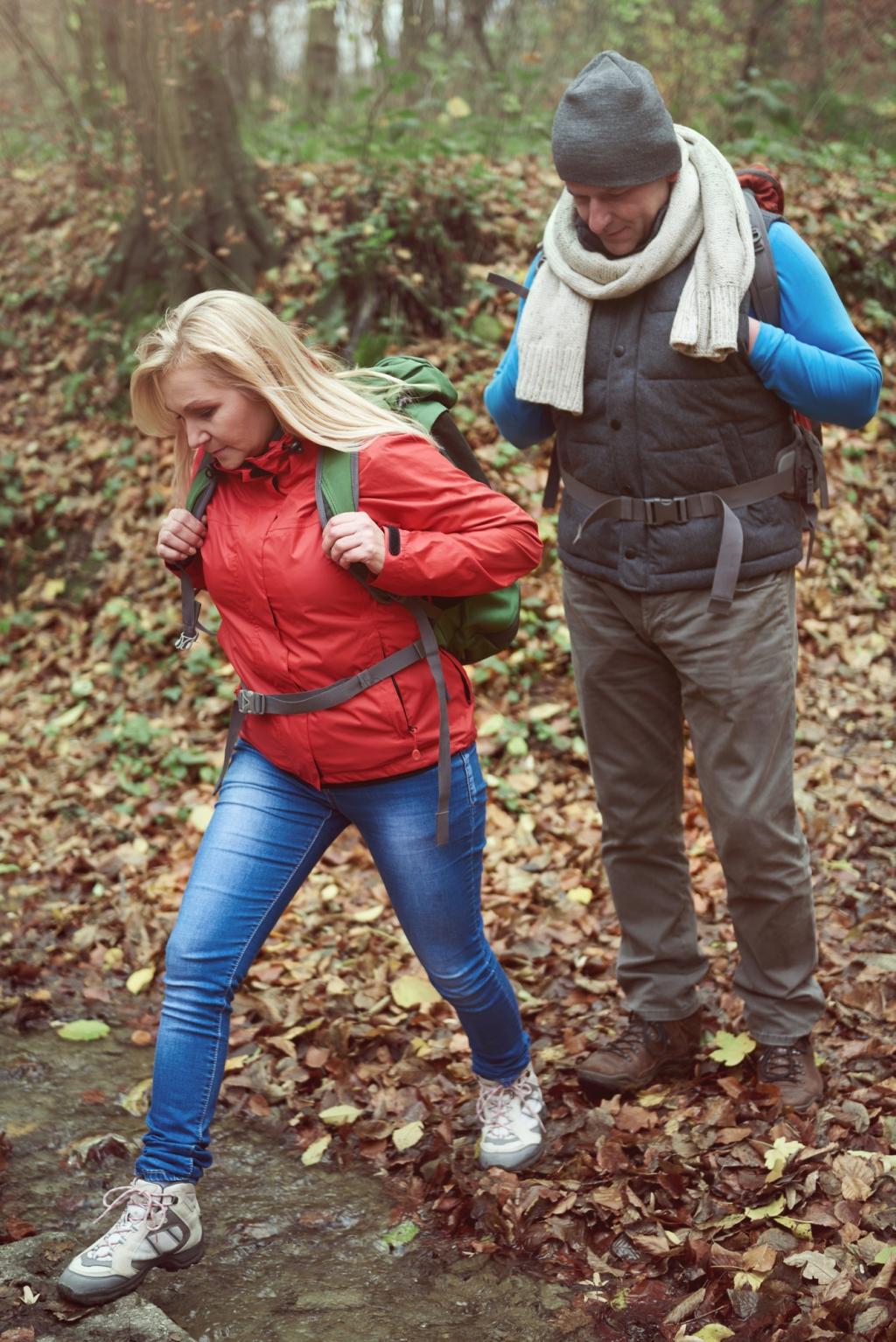
Carpets of leaves mute sound and disguise hazards like slick roots, ankle-twisting holes, and loose stones. Probe with poles, shorten your stride, and scan for micro undulations that reveal buried tread. What tricks do you use?
Overnight frost can melt into midday mud, then refreeze into evening ice. Adjust pace across aspects, favor sunlit lines, and step on textured surfaces for traction. Share your best low-slip foot placements with our community.
Autumn days are shorter, shadows longer, and delays add up fast. Calculate turnaround times, pad your estimates, and practice headlamp hiking near home. Comment with your personal daylight rule of thumb to help fellow hikers.

Weather Patterns and Mountain Microclimates

A sunny trailhead can precede ridge-top graupel an hour later. Watch cloud bases, wind direction, and pressure drops. If the wind sharpens and clouds darken, reassess your objective early. What signs prompt your turn-around?

Weather Patterns and Mountain Microclimates

Inversions can cap valleys with fog that swallows cairns and blazes. Use handrails like ridgelines, streams, or distinct spurs. Practice compass bearings before you need them, then share your favorite fog-handling technique below.
Terrain Association and Contour Literacy
Match what you see to the map’s story: saddles, knolls, drainages, and benches. Check slope angle with your feet, then confirm with contour spacing. Share a moment when contour reading rescued your route.
Ridges, Drainages, and Natural Handrails
Follow features that guide movement: ridges for airy travel, drainages for reliable bearings and water sounds. Use these handrails to reintersect a lost trail. Post your go-to handrail when blazes fade beneath autumn bark.
Reading Subtle Signs of Use
Look for scuffed leaves, cut branches, compacted soil at turns, and unnatural straight lines through brush. Even scent of creosote from old timbers can hint at tread. What tiny clues do your eyes catch first?
Set checkpoints tied to daylight and energy, not ambition. If you miss a time box, re-scope or retreat. Tell us how you define your hard stop on short, glowing October afternoons.
Assign navigator, pace setter, and safety lead. Rotate roles to reduce fatigue, and speak up when assumptions creep in. Share a story where a quick check-in changed your group’s decision for the better.
A compact bivy, headlamp, whistle, and bright buff can transform an incident into a nuisance. Practice a five-whistle signal and landmark triangulation. Subscribe for our printable emergency card tailored to fall conditions.
Menarivexolanoronex
Privacy Overview

This website uses cookies so that we can provide you with the best user experience possible. Cookie information is stored in your browser and performs functions such as recognising you when you return to our website and helping our team to understand which sections of the website you find most interesting and useful.