
Safety Tips for Winter Mountain Hiking: Your Cold-Season Trail Companion
Plan Smart: Weather Windows and Realistic Objectives
Mountain conditions can differ wildly from valley reports. Check point forecasts, ridge-top winds, wind chill, freezing levels, and storm tracks from reputable sources. Avalanche center bulletins add crucial context. When in doubt, downgrade your objective or reschedule; the mountain remains, and safety beats bravado every time.

Layer Like a Pro: Managing Cold, Wind, and Sweat
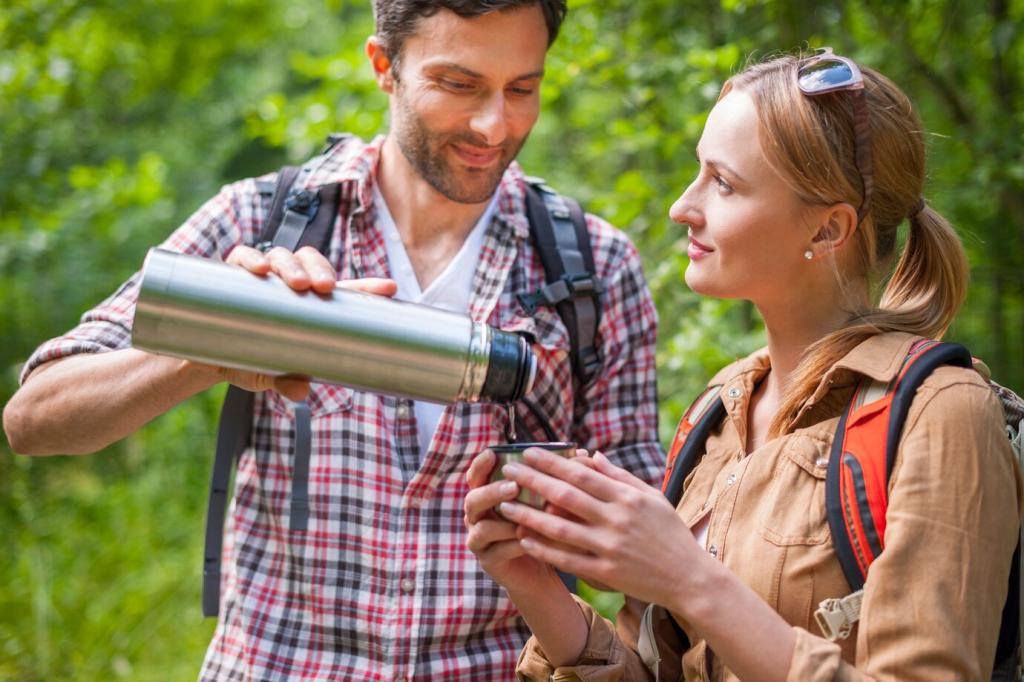
Choose moisture-wicking merino or synthetics next to skin. Add a breathable mid-layer for warmth that vents well during climbs. Cap with a windproof, waterproof shell sized for easy on-off transitions. Keep an insulated parka accessible for breaks. Frequent micro-adjustments prevent chilling sweats and keep your energy steady all day.
Layer Like a Pro: Managing Cold, Wind, and Sweat
Carry liner gloves, insulated mitts, and a spare pair sealed dry. Pair warm socks with roomy boots to preserve toe wiggle and circulation. A balaclava plus goggles shield skin from slicing wind. Watch for frostnip on noses and cheeks. Share your favorite glove combo that keeps dexterity without sacrificing warmth.
Traction and Travel: Shoes, Spikes, Crampons, and Snowshoes
Choose insulated, supportive boots with grippy soles and room for thicker socks. Removable liners dry faster overnight on multi-day trips. Keep laces functional with gloves and use gaiters to block spindrift. Consider double boots or vapor barrier systems in deep cold to protect toes—comfort equals safety when temperatures plummet.
Navigate the Grey: Whiteouts, Short Days, and Battery Care
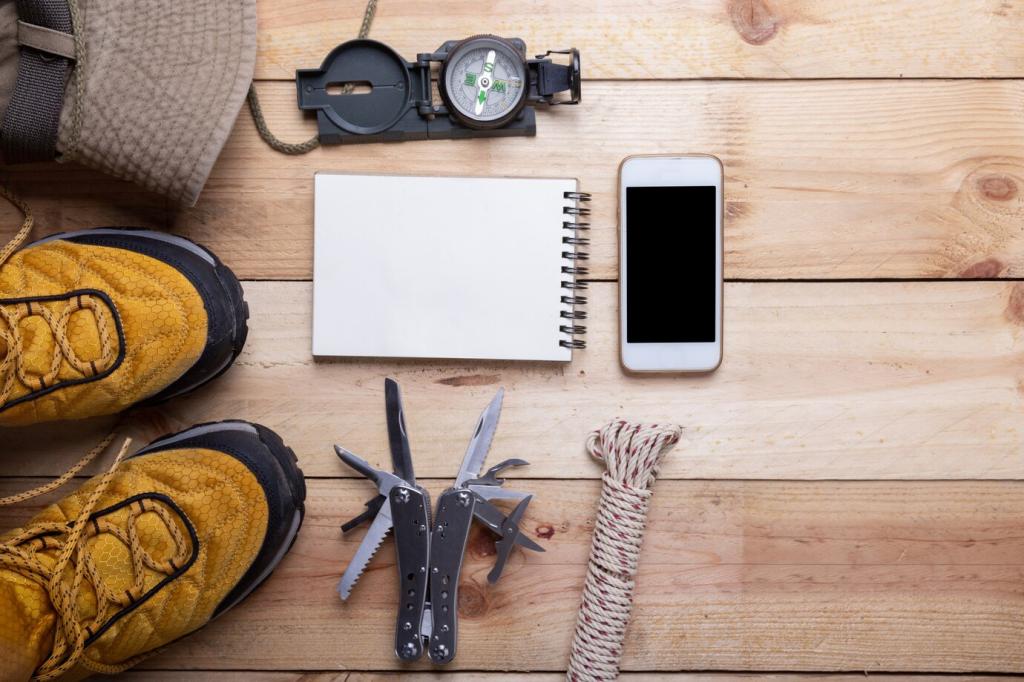
Preload tracks and waypoints, but never depend solely on electronics. Carry a map in a waterproof sleeve, a reliable compass, and an altimeter. Keep spare batteries warm in an inner pocket. Practice taking bearings with bulky gloves. Share your most-used navigation drill to help others stay sharp in whiteouts.

Navigate the Grey: Whiteouts, Short Days, and Battery Care
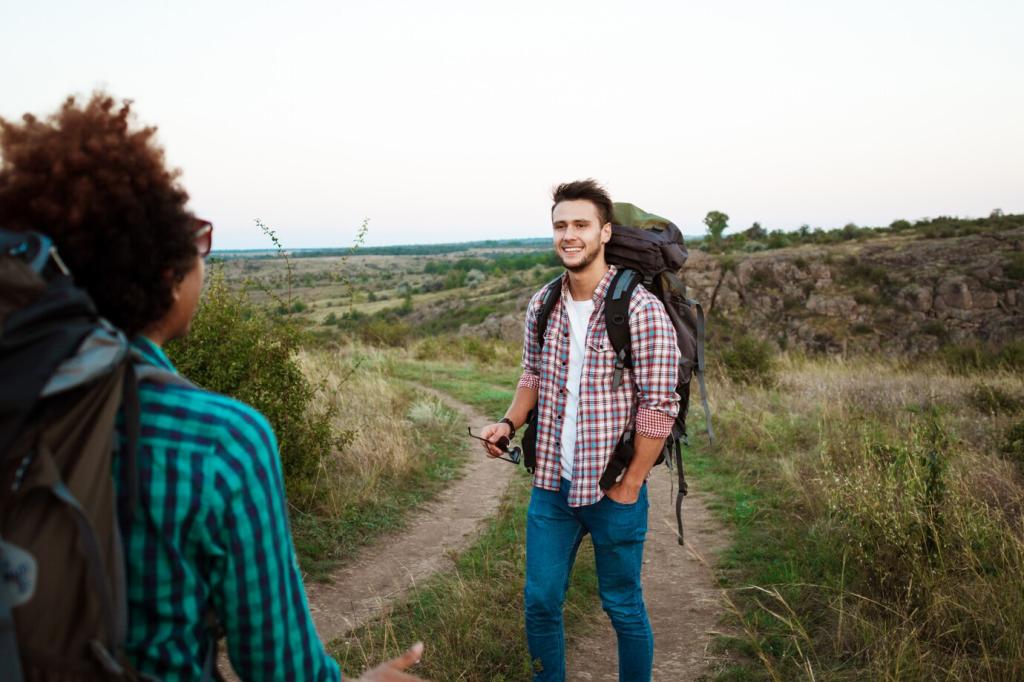
Follow ridgelines over gullies, use terrain handrails, and pace-count between known features. In near-zero visibility on a February traverse, we turned at treeline, beat the storm to the trailhead, and celebrated wise restraint. Plant wands where permissible and keep voices within earshot. Caution today is confidence tomorrow.
Read the Bulletin and Choose Terrain Accordingly
Study daily avalanche problems—wind slabs, persistent slabs, and new snow. Match your route to the lowest-risk terrain, favoring windward ridges, dense trees, and low-angle slopes. If uncertainty persists, downgrade objectives. Your greatest safety tool is conservative decision-making. Comment with your favorite low-risk winter hike when danger rises.
On-Snow Red Flags You Must Heed
Recent avalanches, cracking, whumphing, rapid loading, and strong winds are stop signs. Avoid lee slopes, convex rolls, and terrain traps like gullies. Keep conversations open and egos checked. If a partner expresses doubt, pause for a reassessment. Share a moment when speaking up changed your group’s plan for the better.
Group Protocols: Spacing, Stops, and Signals
Travel one at a time on suspect slopes, regroup in safe islands, and maintain visual contact. Carry beacon, shovel, and probe, and practice regularly. Establish clear voice and whistle signals before leaving the trailhead. Encourage your partners to subscribe so everyone arrives with the same safety playbook in mind.
Hypothermia and Frostbite: Recognize and Respond Fast
Watch for fumbling, shivering that stops, slurred speech, or numb, pale skin. Add dry layers, provide warm, sweet drinks if conscious, and insulate from ground. Rewarm frostbitten areas gently, never rubbing. Protect affected tissue from refreezing. Tell us the early warning signs you train your partners to spot immediately.
Shelter and Fire When Everything Is Frozen
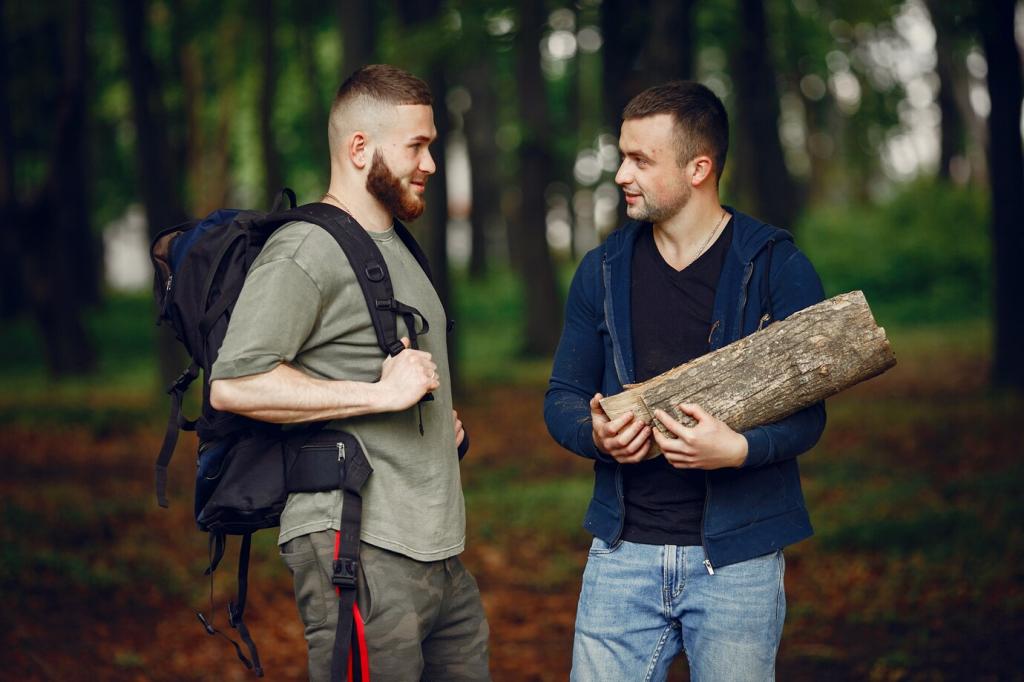
Carry an emergency bivy, foam sit pad, and fire starters in waterproof containers. A small snow wall or tree well can block wind quickly. Practice lighting stoves and fires with gloves. I’ve seen a five-minute windbreak transform morale and warmth. Share your fastest shelter trick for spindrift-filled breaks.
Signals, Devices, and When to Stay Put
Whistle blasts in groups of three, mirror flashes, and bright panels help rescuers. Satellite messengers and PLBs save precious time when coverage fails. After signaling, conserve heat and energy, and avoid wandering in whiteouts. Comment with your communication plan format so others can copy and improve their readiness.
Join our mailing list